Composite Veneers vs. Porcelain Veneers: Which Is Right for Your Smile?
A confident smile can make a meaningful difference in how you feel about yourself. If you're unhappy with chipped teeth, discoloration, small gaps, or uneven edges, dental veneers may offer a way to improve your smile without extensive restorative treatment.
Two popular options are composite veneers and porcelain veneers. Both can improve the appearance of your teeth, but they differ in materials, durability, appearance, treatment time, and cost.
So, which option is right for you?
At Upstate Smiles in Simpsonville, SC, we believe choosing cosmetic dental treatment starts with understanding your options. In this guide, we'll compare composite and porcelain veneers to help you prepare for a conversation with your dentist about your smile goals.
What Are Dental Veneers?
Dental veneers are thin, custom-designed coverings placed on the front surfaces of teeth to improve their appearance. Depending on the material and your dental needs, veneers can help address several cosmetic concerns, including:
- Stained or discolored teeth that do not respond well to whitening.
- Chipped or worn tooth edges.
- Small gaps between teeth.
- Slightly uneven or irregularly shaped teeth.
- Minor cosmetic imperfections affecting your smile.
- Differences in tooth size or appearance.
Veneers are designed to complement your natural teeth and facial features. Your dentist will evaluate your oral health, bite, enamel, and cosmetic goals before recommending a treatment.
The two primary options discussed here are composite resin veneers and porcelain veneers.
What Are Composite Veneers?
Composite veneers are made from tooth-colored composite resin, a material commonly used in dental bonding and other restorative treatments.
With direct composite veneers, your dentist applies and shapes the resin directly onto the teeth. The material is then hardened with a special curing light and carefully polished to create the desired appearance.
Because the material can be shaped directly on the tooth, composite veneers may be completed in a single appointment, depending on the number of teeth being treated and the complexity of the case.
Benefits of composite veneers
1. Often more affordable
Composite veneers generally have a lower initial cost per tooth than porcelain veneers. They may be a practical option for patients who want to improve their smiles while working within a budget.
2. Faster treatment
Many direct composite veneer treatments can be completed in one visit. This may be appealing if you want to address several cosmetic concerns without multiple appointments.
3. Conservative treatment options
Composite resin can sometimes be applied with little or no removal of natural tooth structure. However, the amount of preparation required depends on your teeth and the desired result.
4. Easier to repair in many cases
If a composite veneer chips or becomes damaged, the affected area can often be repaired by adding and reshaping resin rather than replacing the entire restoration.
What should you know about composite veneers?
Composite veneers can be an excellent cosmetic option, but they have some limitations.
Composite resin is generally more susceptible to staining and surface wear than porcelain. It may also lose some of its original polish over time and require professional maintenance.
Composite veneers typically have a shorter lifespan than porcelain veneers, although their longevity depends on your oral hygiene, bite, habits, and the quality of the restoration.
What Are Porcelain Veneers?
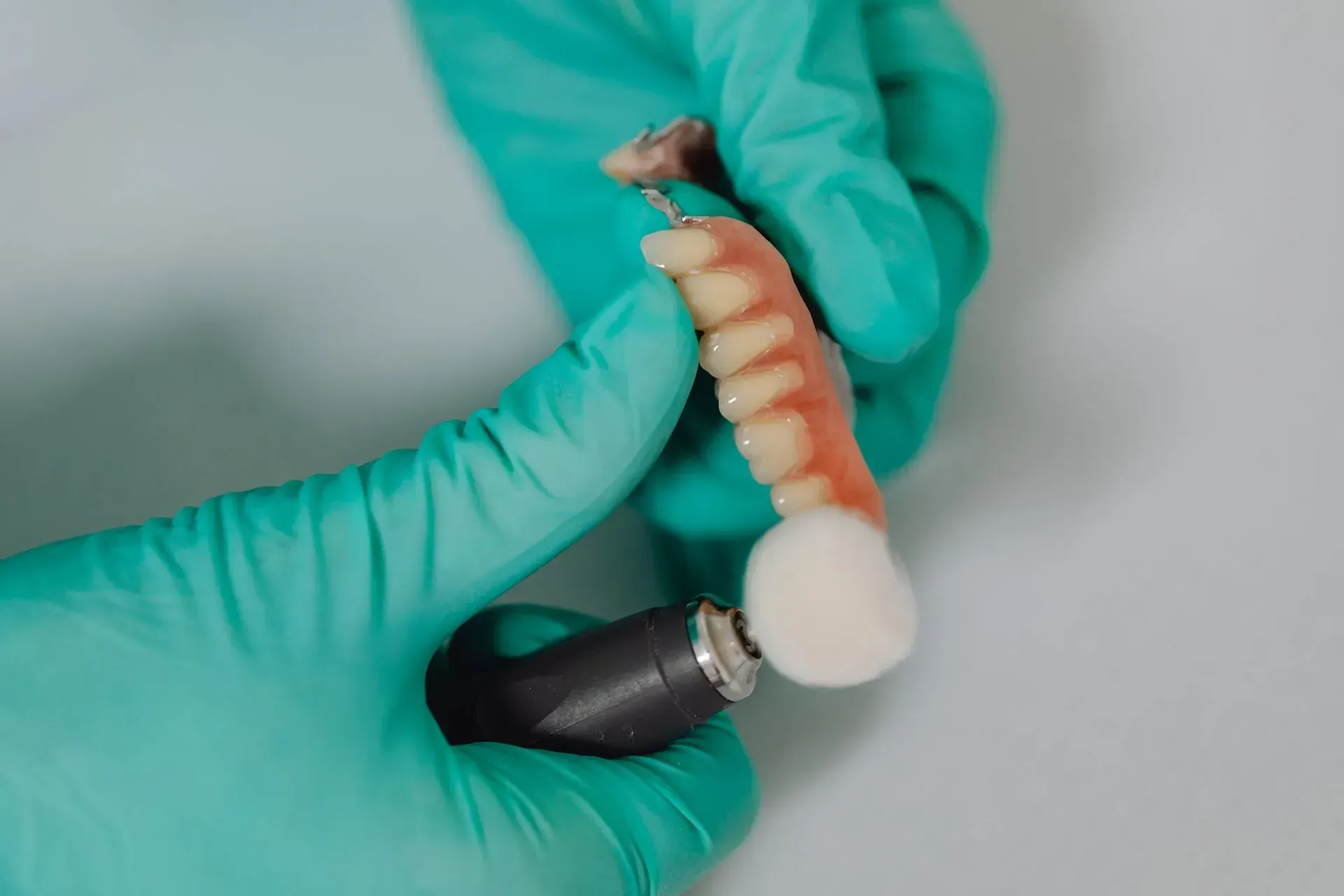
Porcelain veneers are thin, custom-made ceramic restorations designed to fit the front surfaces of your teeth.
They are usually fabricated in a dental laboratory or through an appropriate digital workflow before being bonded to the prepared teeth. The process commonly involves a consultation, tooth preparation when necessary, impressions or digital scans, and a placement appointment.
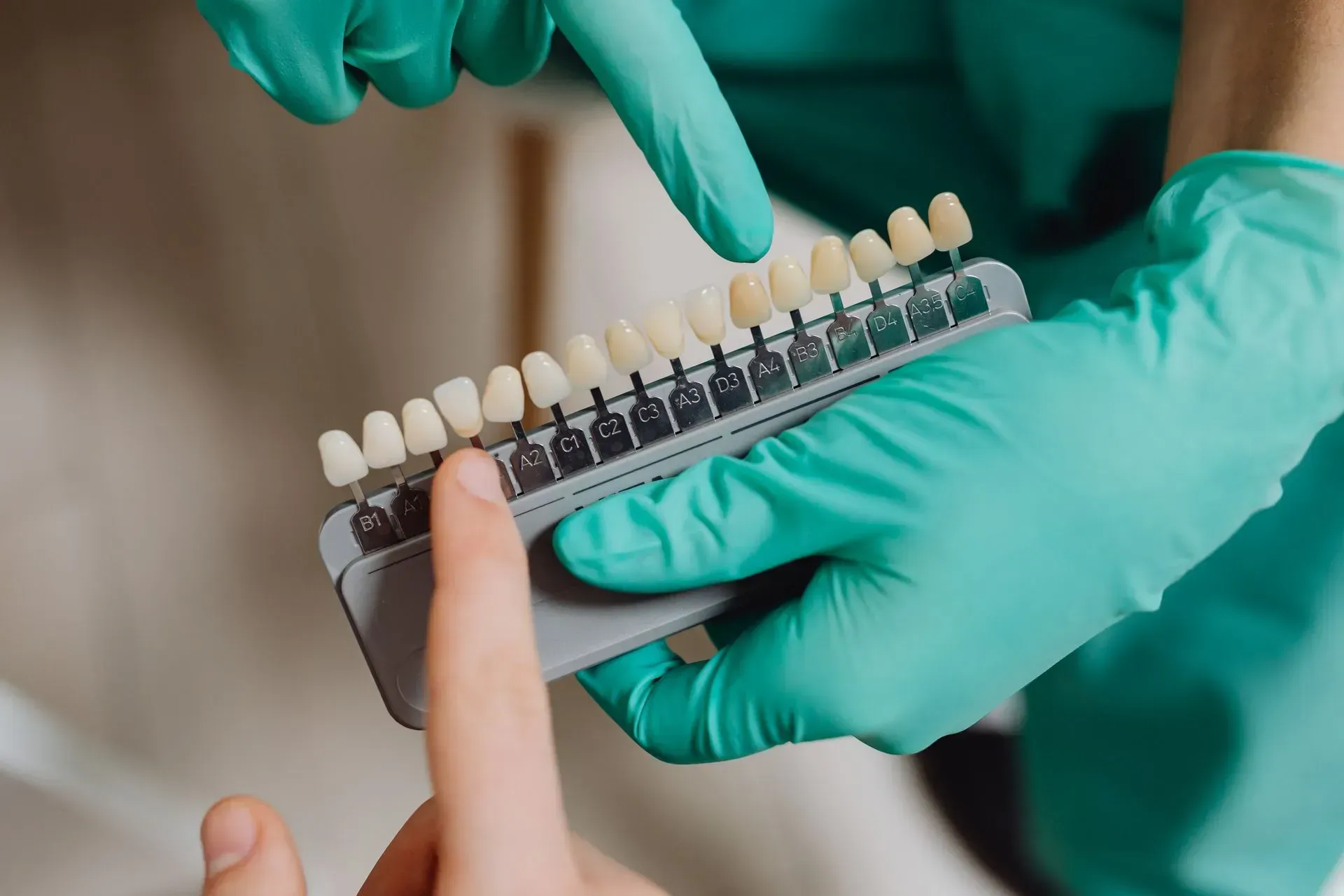
Porcelain is valued for its ability to reproduce the appearance of natural tooth enamel, including its color, translucency, and light-reflecting qualities.
Benefits of porcelain veneers
1. Natural-looking aesthetics
Porcelain can create a lifelike appearance because it reflects light in ways similar to natural enamel. Your dentist can select a shade and design intended to complement your surrounding teeth.
2. Greater resistance to staining
Porcelain generally resists staining better than composite resin. This can help maintain the appearance of your smile over time.
3. Long-term durability
With appropriate care, porcelain veneers can often last 10–15 years or longer. Their lifespan varies based on factors such as bonding, bite forces, oral hygiene, and habits like teeth grinding.
4. Consistent shape and color
Because porcelain veneers are custom fabricated, they can provide precise control over tooth shape, proportions, and shade when planning a comprehensive smile makeover.
What should you know about porcelain veneers?
Porcelain veneers usually involve a higher initial investment and may require more than one appointment.
Some treatments require removing a small amount of enamel to accommodate the veneers and achieve a natural fit. When enamel is removed, the procedure is generally irreversible, and the teeth will continue to need appropriate restoration or maintenance.
Porcelain can also chip or fracture under excessive force. Although damaged veneers may sometimes be repaired, replacement is often necessary.
Composite vs. Porcelain Veneers: Key Differences
| Feature | Composite veneers | Porcelain veneers |
|---|---|---|
| Material | Tooth-colored composite resin | Dental ceramic |
| Appearance | Can look natural when carefully shaped and polished | Known for enamel-like translucency |
| Initial cost | Generally lower | Generally higher |
| Treatment time | Often one appointment for direct veneers | Commonly multiple appointments |
| Stain resistance | More prone to staining | Generally highly stain-resistant |
| Durability | Typically shorter lifespan | Typically longer lifespan |
| Repairs | Often easier to repair directly | May require replacement if significantly damaged |
| Tooth preparation | May require minimal or no preparation in selected cases | Often requires some preparation, depending on the case |
| Maintenance | May require polishing or repairs over time | Requires regular care and monitoring |
How Much Do Composite and Porcelain Veneers Cost?
Cost is an important consideration when planning a smile makeover.
Composite veneers generally cost less per tooth than porcelain veneers. Porcelain involves custom fabrication and laboratory or digital production, which contributes to its higher initial price.
However, the total cost of treatment depends on several factors:
- The number of teeth being treated.
- The material selected.
- The complexity of your smile design.
- Whether tooth preparation or other dental treatment is needed.
- The experience and treatment approach of your dental provider.
- Future maintenance, repairs, or replacement.
It is also worth considering the long-term value of each option. A lower initial cost does not necessarily mean a lower lifetime cost, especially if a restoration requires more frequent maintenance or replacement.
Dental insurance coverage for veneers varies, and purely cosmetic treatment is often not covered. If you are considering veneers, ask your dental office about treatment fees, payment options, and any applicable insurance benefits before proceeding.
The best way to understand your potential investment is to schedule a consultation and receive a treatment plan tailored to your smile.
Which Veneers Look More Natural?
Both composite and porcelain veneers can produce beautiful, natural-looking results when they are properly designed and placed.
Porcelain is particularly valued for its translucency and ability to mimic natural enamel. It can be an excellent option for patients seeking a refined, long-lasting smile transformation.
Composite resin also offers considerable flexibility. Your dentist can sculpt the material directly on the tooth to improve its shape, proportions, and appearance.
The final result depends on more than the material alone. Tooth color, facial features, gum health, bite alignment, and the skill involved in planning and placing the veneers all contribute to the outcome.
A successful smile makeover should complement your natural features rather than simply make your teeth look whiter or larger.
Are Composite or Porcelain Veneers Better for Chipped or Gapped Teeth?
The right treatment depends on the type and extent of the cosmetic concern.
For chipped teeth
Composite veneers or dental bonding may be suitable for small chips and minor imperfections. Porcelain veneers may be considered when more extensive cosmetic changes are desired or when several teeth need to be treated together.
Significant damage may require a different restorative treatment.
For small gaps
Both composite and porcelain veneers can sometimes improve the appearance of small spaces between teeth by adjusting their shape and width.
Larger gaps or bite-related concerns may be better addressed through orthodontic treatment. Your dentist can help identify the most appropriate approach.
For discoloration
Porcelain veneers can be useful when discoloration is resistant to whitening or when a broader change in tooth appearance is desired.
Composite veneers may also improve the appearance of discolored teeth, although the material can stain over time.
If your discoloration is mild, professional teeth whitening may be a simpler alternative worth discussing before committing to veneers.
For uneven or irregularly shaped teeth
Both materials can improve the appearance of teeth that are slightly uneven, unusually shaped, or inconsistent in size. Your dentist will consider how much change is needed and whether veneers are the most conservative option.
How Long Do Composite and Porcelain Veneers Last?
Veneer longevity depends on the material, placement, oral hygiene, and everyday habits.
Composite veneers often last approximately 4–8 years, although some may need attention sooner or remain in good condition longer.
Porcelain veneers commonly last 10–15 years or longer with appropriate care.
These are general estimates rather than guarantees. Neither material is permanent, and both may eventually require repair or replacement.
To help protect your veneers:
- Brush twice daily with a soft-bristled toothbrush.
- Clean between your teeth every day.
- Attend regular dental checkups and professional cleanings.
- Avoid biting hard objects, ice, or fingernails.
- Do not use your teeth to open packages.
- Discuss a protective nightguard with your dentist if you grind or clench your teeth.
- Contact your dentist if a veneer feels loose, chips, or changes how your teeth fit together.
Good daily habits and regular professional care can help preserve both the appearance and function of your restorations.
Who Is a Good Candidate for Dental Veneers?
Veneers may be appropriate for adults who want to improve the appearance of their teeth and have generally healthy teeth and gums.
Before recommending veneers, your dentist will assess your oral health and determine whether the treatment is suitable.
You may need to address certain concerns before receiving veneers, including:
- Untreated cavities or gum disease.
- Significant tooth damage or weakened tooth structure.
- Severe bite problems or tooth misalignment.
- Habitual teeth grinding or clenching.
- Insufficient enamel for the planned restoration.
Veneers are not the best solution for every cosmetic concern. Depending on your needs, alternatives may include professional whitening, dental bonding, orthodontics, crowns, or other restorative treatments.
A thorough evaluation helps ensure that your treatment plan addresses both the appearance and health of your smile.
Are Veneers Worth It?
For many patients, veneers can be a worthwhile investment when they address specific cosmetic concerns and align with realistic expectations.
Composite veneers may appeal to patients who prefer a more affordable initial option, want relatively quick results, or value the ability to repair the material directly.
Porcelain veneers may be attractive to patients who prioritize stain resistance, enamel-like aesthetics, and a potentially longer service life.
However, the right decision should not be based on price or appearance alone. Consider the amount of natural tooth structure that may need to be removed, the maintenance involved, your bite, and the long-term care each option requires.
During your consultation, ask your dentist about the expected result, alternative treatments, preparation requirements, likely lifespan, and total cost. These details can help you make an informed decision that fits your goals and budget.
Explore Your Veneer Options at Upstate Smiles in Simpsonville, SC
You deserve to feel comfortable and confident sharing your smile.
At Upstate Smiles, Dr. Bruce and our team take the time to understand your concerns, answer your questions, and help you explore cosmetic dental treatments that fit your needs. Whether you are considering composite veneers, porcelain veneers, or another smile-enhancing option, we want you to feel informed and comfortable throughout the process.
Our office is conveniently located in Simpsonville, South Carolina, and welcomes patients from Greenville, Greer, Fountain Inn, and communities throughout the Upstate.
Ready to explore your smile makeover options? Contact Upstate Smiles today to
schedule a consultation with Dr. Bruce. Together, we can discuss your goals and determine which treatment options may be right for your smile.
Your journey toward a smile you love starts with a conversation.
Frequently Asked Questions
Are composite veneers better than porcelain veneers?
Neither option is better for everyone. Composite veneers are generally more affordable and can often be completed in one visit, while porcelain veneers typically offer greater stain resistance, excellent aesthetics, and a longer lifespan. The best choice depends on your smile goals, budget, oral health, and long-term expectations.
How long do composite and porcelain veneers last?
Composite veneers often last around 4–8 years, while porcelain veneers commonly last 10–15 years or longer with proper care. Actual longevity varies depending on oral hygiene, bite forces, maintenance, and habits such as teeth grinding.
Are composite veneers cheaper than porcelain veneers?
Yes, composite veneers generally have a lower initial cost than porcelain veneers. However, the total investment depends on the number of teeth treated, the complexity of the procedure, and future maintenance or replacement needs. Your dentist can provide a personalized estimate based on your treatment plan.
Do veneers damage your natural teeth?
Veneers do not automatically damage natural teeth, but some treatments require removing a small amount of enamel to achieve the desired fit and appearance. Composite veneers may require little or no preparation in selected cases. Because enamel removal can be irreversible, discuss conservative alternatives and preparation requirements with your dentist before treatment.
Can I get composite or porcelain veneers in Simpsonville, SC?
Yes. If you're considering veneers, Upstate Smiles in Simpsonville, SC, can help you explore cosmetic dental treatment options based on your individual needs. Dr. Bruce can evaluate your teeth, discuss the differences between composite and porcelain veneers, and help you determine which option may be suitable for your smile. Contact Upstate Smiles to schedule a consultation.