What Are Dental Inlays and Onlays? The Middle Ground Between Fillings and Crowns
When a back tooth develops decay or structural damage, the most common solution is a standard white composite filling. However, when decay or a fracture extends across a larger portion of the chewing surface, a simple filling may not offer enough structural strength to withstand heavy biting forces. On the other hand, placing a full dental crown requires removing a significant amount of your natural, healthy tooth structure to make room for the cap.
Fortunately, there is an ideal conservative alternative: dental inlays and onlays.
Often referred to as partial crowns, inlays and onlays offer a precise, middle-ground solution. They restore the strength and integrity of a damaged tooth while preserving as much of your original, natural enamel as possible.
At Upstate Smiles at 672 Fairview Rd. in Simpsonville, Dr. William "Bo" Bruce provides custom, tooth-colored inlays and onlays designed to blend seamlessly with your smile while delivering exceptional durability. This guide breaks down what inlays and onlays are, how they differ, and when they are the best choice for your oral health.
Understanding Inlays vs. Onlays: What Is the Difference?
Both inlays and onlays are custom-crafted, indirect restorations made of high-grade porcelain or ceramic. Unlike a standard filling, which is placed directly into the tooth and cured during a single visit, inlays and onlays are laboratory-fabricated or precision-milled pieces cemented permanently onto the prepared tooth.
The primary difference comes down to how much of the tooth surface needs coverage:
What Is a Dental Inlay?
A dental inlay is used when decay or damage sits inside the raised bumps (cusps) on the chewing surface of a molar or premolar. It fits neatly inside the grooves of the tooth, functioning much like an indirect filling, but crafted from far stronger porcelain.
What Is a Dental Onlay?
A dental onlay is required when decay or structural damage extends over one or more cusps of the tooth. Because it covers one or more points of the chewing surface, an onlay provides broader coverage than an inlay, protecting weak cusps from fracturing without requiring a full 360-degree crown. Learn more about advanced restorative options on our inlays and onlays service page.
Why Choose Inlays & Onlays Over Fillings or Crowns?
Choosing an inlay or onlay comes with distinct clinical advantages for long-term tooth preservation:
1. Maximum Tooth Conservation
Unlike a full crown, which requires filing down the outer enamel of the entire tooth, an inlay or onlay targets only the damaged section. Dr. Bruce removes the decayed portion while keeping your healthy, natural enamel completely intact.
2. Superior Structural Strength
Standard composite fillings can expand or contract slightly over time under heavy chewing pressure, which can sometimes lead to micro-fractures in weakened natural enamel. Porcelain inlays and onlays bond directly to the tooth structure, increasing overall tooth strength significantly.
3. Custom-Tailored Precision Fit
Because inlays and onlays are custom-molded to fit the exact contours of your tooth cavity, they create a tight, seamless seal. This precise margin makes them far easier to keep clean and drastically reduces the risk of secondary decay forming under the restoration.
4. Exceptional Aesthetic Results
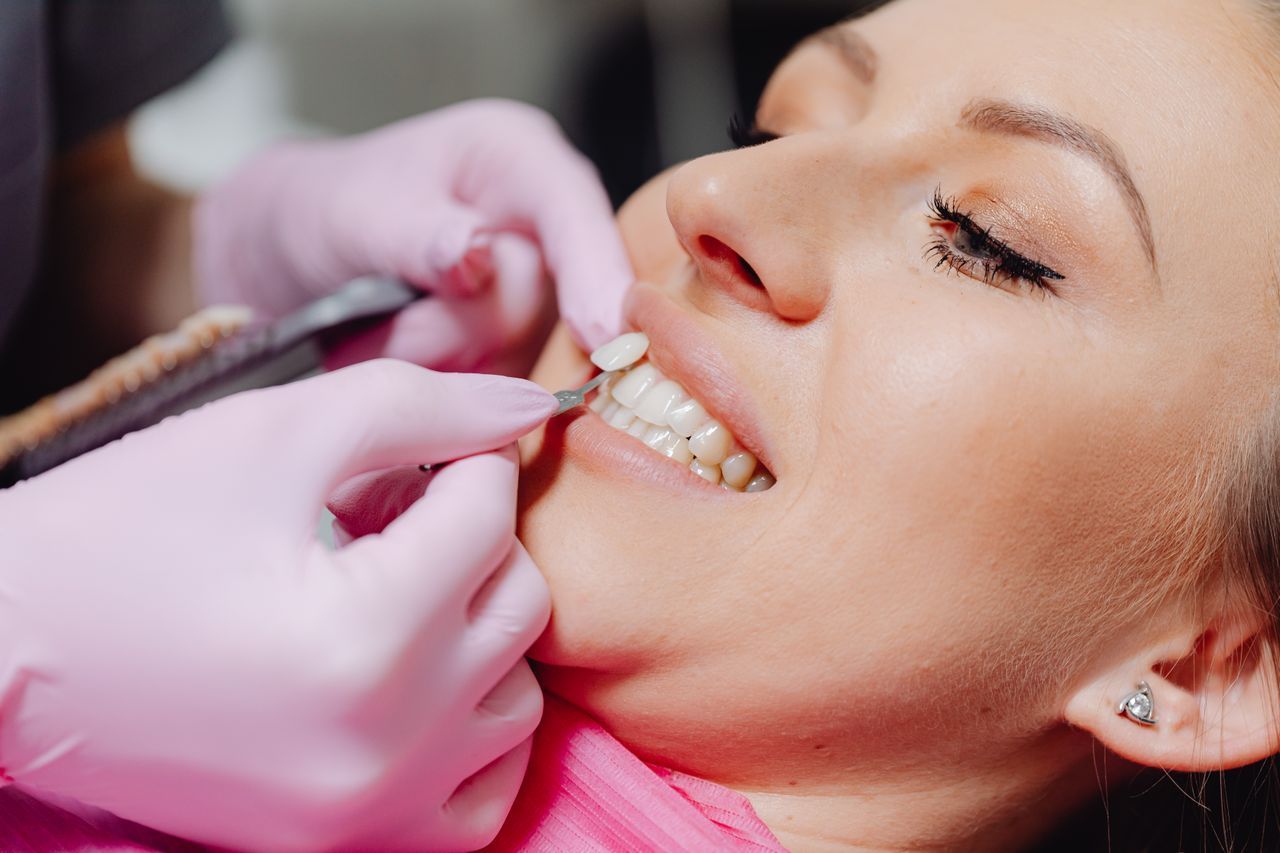
Made from advanced dental ceramics, inlays and onlays are custom-shaded to match the exact tone and translucency of your natural enamel. They do not discolor over time, providing a natural appearance that blends into your smile.
Key Differences at a Glance
Comparing how fillings, inlays/onlays, and full crowns function helps clarify which treatment fits your specific situation best.
Composite Fillings Overview
- Damage Level: Ideal for small to moderate decay or minor chips.
- Coverage Area: Fills small interior cavities within the tooth.
- Enamel Preservation: Preserves most enamel, removing only active decay.
- Durability: Typically lasts 5 to 10 years under normal wear.
- Primary Role: Quick, direct repair for minor tooth damage.
Dental Inlays & Onlays Overview
- Damage Level: Ideal for moderate to large decay or weakened cusps.
- Coverage Area: Covers grooves inside cusps (inlay) or extends over cusps (onlay).
- Enamel Preservation: High preservation, keeping healthy remaining tooth structure.
- Durability: Highly durable, lasting 10 to 15+ years with proper care.
- Primary Role: Conservative partial crown reinforcement.
Full Dental Crowns Overview
- Damage Level: Ideal for severe fractures, deep decay, or root canal-treated teeth.
- Coverage Area: Complete 360-degree coverage of the entire visible tooth above the gumline.
- Enamel Preservation: Requires reshaping outer tooth enamel for fit.
- Durability: Highly durable, lasting 10 to 15+ years under heavy biting forces.
- Primary Role: Complete structural reinforcement and tooth encasement.
For patients evaluating broader cosmetic or structural restorations across multiple teeth, inlays and onlays are frequently planned alongside treatments like porcelain veneers and crowns or orthodontic corrections like 6 Month Smiles. Additionally, if a tooth is damaged beyond repair, a dental bridge or implant may be considered.
What to Expect During Treatment
Receiving a custom inlay or onlay at our Simpsonville office is a straightforward process typically completed in two comfortable visits:
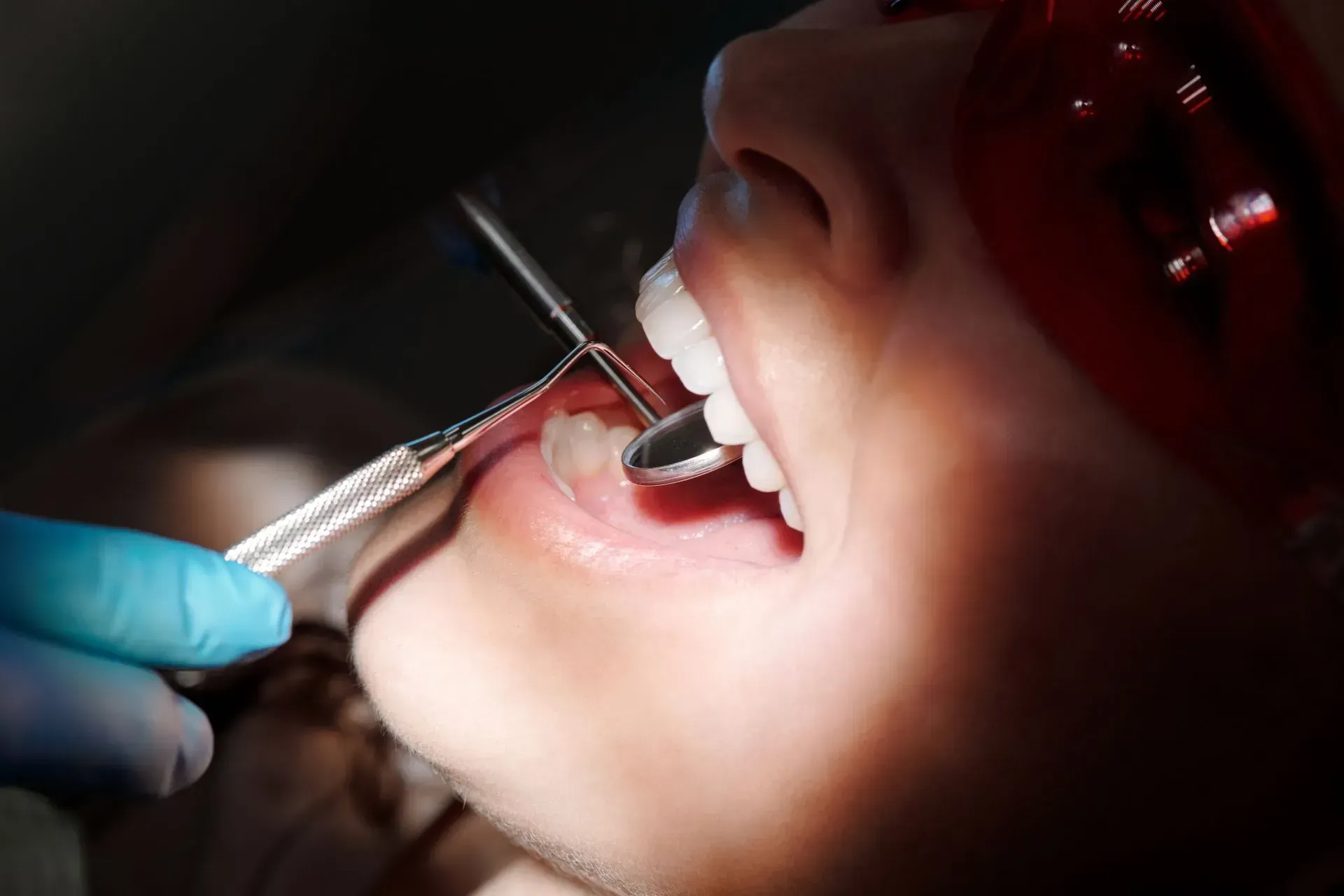
- Tooth Preparation & Impressions: Dr. Bruce gently removes the damaged or decayed tooth material and cleans the area thoroughly. A detailed digital impression or mold is taken to ensure your custom porcelain piece fits with exact micro-precision.
- Temporary Restoration: A temporary covering is placed over your tooth to protect it while your custom porcelain inlay or onlay is crafted. Review our patient Post-Op Instructions for tips on caring for temporary restorations.
- Final Bonding & Placement: At your second visit, Dr. Bruce tries in your custom inlay or onlay, verifies your bite alignment, and permanently bonds the porcelain piece to your tooth. After a final polish, your tooth is fully restored and ready for normal chewing.
Insurance and Payment Options
Upstate Smiles accepts and files insurance for all providers except Medicaid and Medicare, and our team can provide a coverage estimate in advance. For patients without insurance, or anyone who prefers to spread out the cost of care, we offer flexible financing through CareCredit, with no money down and no pre-payment penalties. Full details and downloadable patient resources are available on our Finance & Payment Options page.
Frequently Asked Questions
Is getting an inlay or onlay painful?
Not at all. Local anesthesia is applied during the tooth preparation and final bonding appointments to ensure you remain completely comfortable. Most patients experience zero downtime and can resume normal activities immediately following their appointment.
How do I clean and maintain an inlay or onlay?
You clean an inlay or onlay just like a natural tooth! Maintain regular brushing twice daily with fluoride toothpaste, floss daily around the restoration, and keep up with routine cleanings on our preventive dental care schedule.
Can an old silver (amalgam) filling be replaced with an onlay?
Yes. Many patients choose to replace large, aging silver fillings with custom porcelain inlays or onlays. This eliminates the dark metallic appearance in their smile and reinforces teeth that may have developed micro-fractures around old metal fillings over time.
How long do porcelain inlays and onlays last?
With good oral hygiene and regular dental checkups, high-quality porcelain inlays and onlays regularly last 10 to 15+ years. Their durable ceramic composition resists wear and staining under daily chewing forces. If you suffer from nighttime clenching that threatens your restorations, explore our guide on TMJ relief and jaw pain.
Schedule a Restorative Evaluation in Simpsonville, SC
If you have a damaged, cracked, or heavily filled tooth and want to explore conservative restoration options, Dr. William Bruce and the Upstate Smiles team are here to help.
Call Upstate Smiles today at (864) 962-5522 or book a consultation online to see if a custom inlay or onlay is right for your smile.