Gum Recession and Tooth Sensitivity: Early Signs of Periodontal Issues Near Mauldin, SC
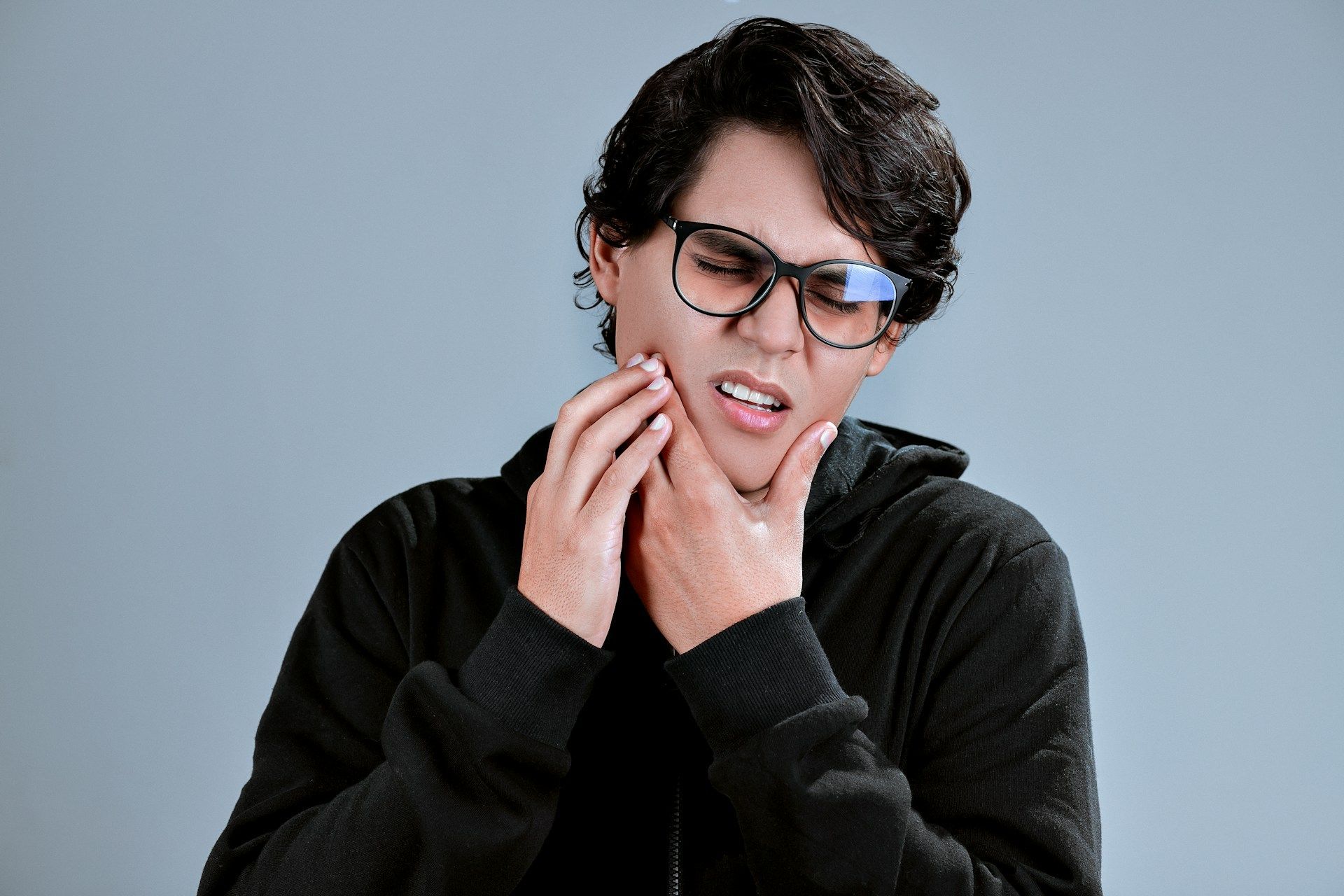
If you feel a sharp zing when sipping iced tea or notice that one of your teeth looks slightly longer than it used to, your gums may be sending an early warning signal. Gum recession and sudden tooth sensitivity are two of the most common reasons adults around Mauldin, BridgeWay Station, and the I-385 corridor schedule a diagnostic dental checkup.
Because gum tissue pulls back gradually, early periodontal changes rarely cause constant pain at first. Understanding what triggers gum recession, how bacterial inflammation interacts with bite forces, and how conservative care protects exposed tooth roots can help you preserve your natural smile before minor irritation turns into bone loss.
Why Gum Recession Causes Sudden Tooth Sensitivity
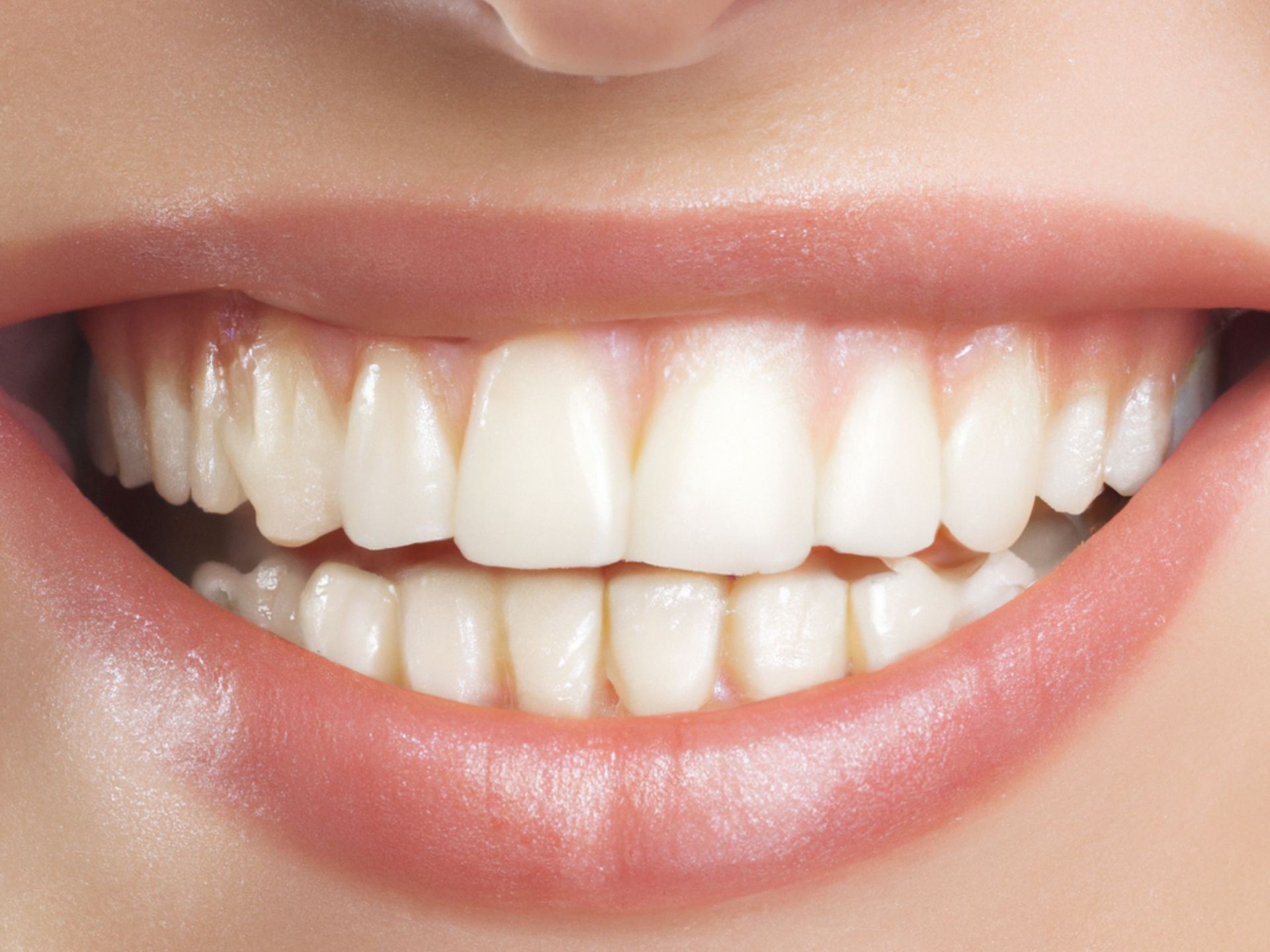
Healthy gum tissue fits snugly around the base of each tooth like a protective collar, shielding the softer root surface underneath. Unlike the crown of your tooth, which is covered by hard, mineral-dense enamel, your tooth roots are covered by a much thinner layer called cementum.
When gum tissue recedes, that protective barrier disappears and exposes microscopic tubules leading directly toward the tooth's nerve center. Everyday triggers like cold water, hot coffee, sweet foods, or cool morning air can suddenly stimulate the nerve and cause sharp, localized discomfort.
Common Causes of Gum Recession and Periodontal Strain
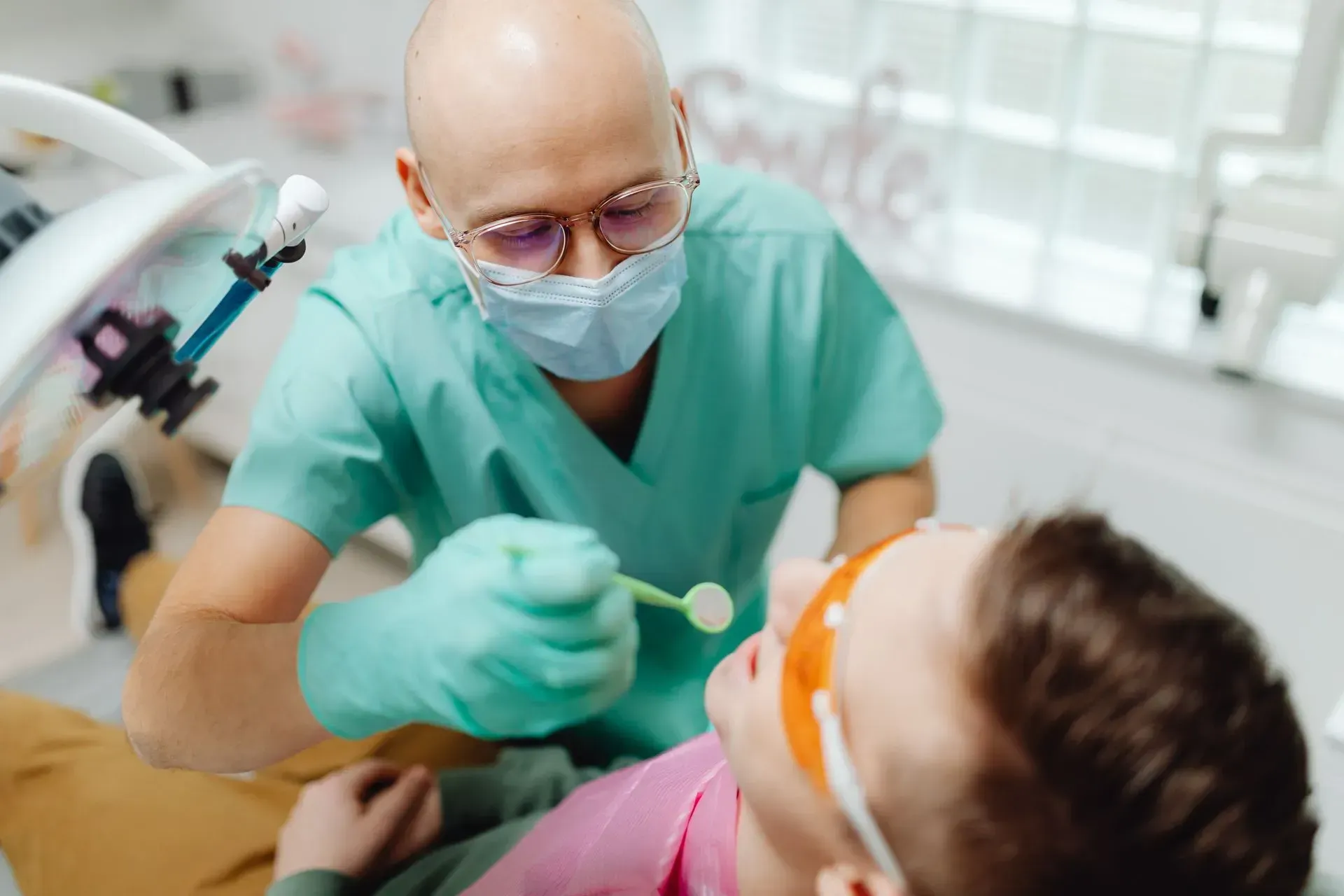
Receding gums rarely stem from a single habit. During a comprehensive routine dental cleaning and exam, Dr. William "Bo" Bruce evaluates both bacterial health and mechanical bite forces to pinpoint why your gumline is changing:
- Plaque and Tartar Buildup Below the Gumline: When plaque hardens into tartar along the gum margin, bacteria trigger chronic inflammation (gingivitis). Left untreated, inflammation progresses into periodontitis, breaking down the supporting fibers and bone that hold your gums in place.
- Aggressive Brushing Technique: Scrubbing back and forth with a medium- or hard-bristled toothbrush wears away delicate gum tissue and notches the softer root surface over time.
- Bite Misalignment and Nighttime Clenching: As a graduate of The Dawson Center for Advanced Dental Studies, Dr. Bruce evaluates how your upper and lower teeth meet. Uneven chewing forces and unconscious nighttime grinding flex the tooth near the gumline, creating small V-shaped notches (abfractions) that accelerate gum recession.
- Tobacco Use and Genetics: Naturally thin gum biotypes and tobacco products reduce blood flow to gingival tissue, making gums more vulnerable to irritation and slower to heal.
Early Warning Signs You Should Not Ignore
Catching periodontal issues in their earliest stages allows for simpler, non-surgical care. Schedule an evaluation if you notice any of the following changes:
- Pink or red streaks in the sink when brushing or flossing
- Gums that appear swollen, tender, or darker red rather than pale pink
- A visible notch or indentation along the gumline where your fingernail catches
- Persistent bad breath or an unpleasant taste that returns quickly after brushing
- One or more teeth appearing longer than neighboring teeth
- New sensitivity to cold drinks, acidic foods, or cold air
Conservative Periodontal and Sensitivity Care at Upstate Smiles
At Upstate Smiles, we tailor periodontal and sensitivity treatment around conservative preservation and long-term bite harmony. Depending on what your exam reveals, your care plan may include:
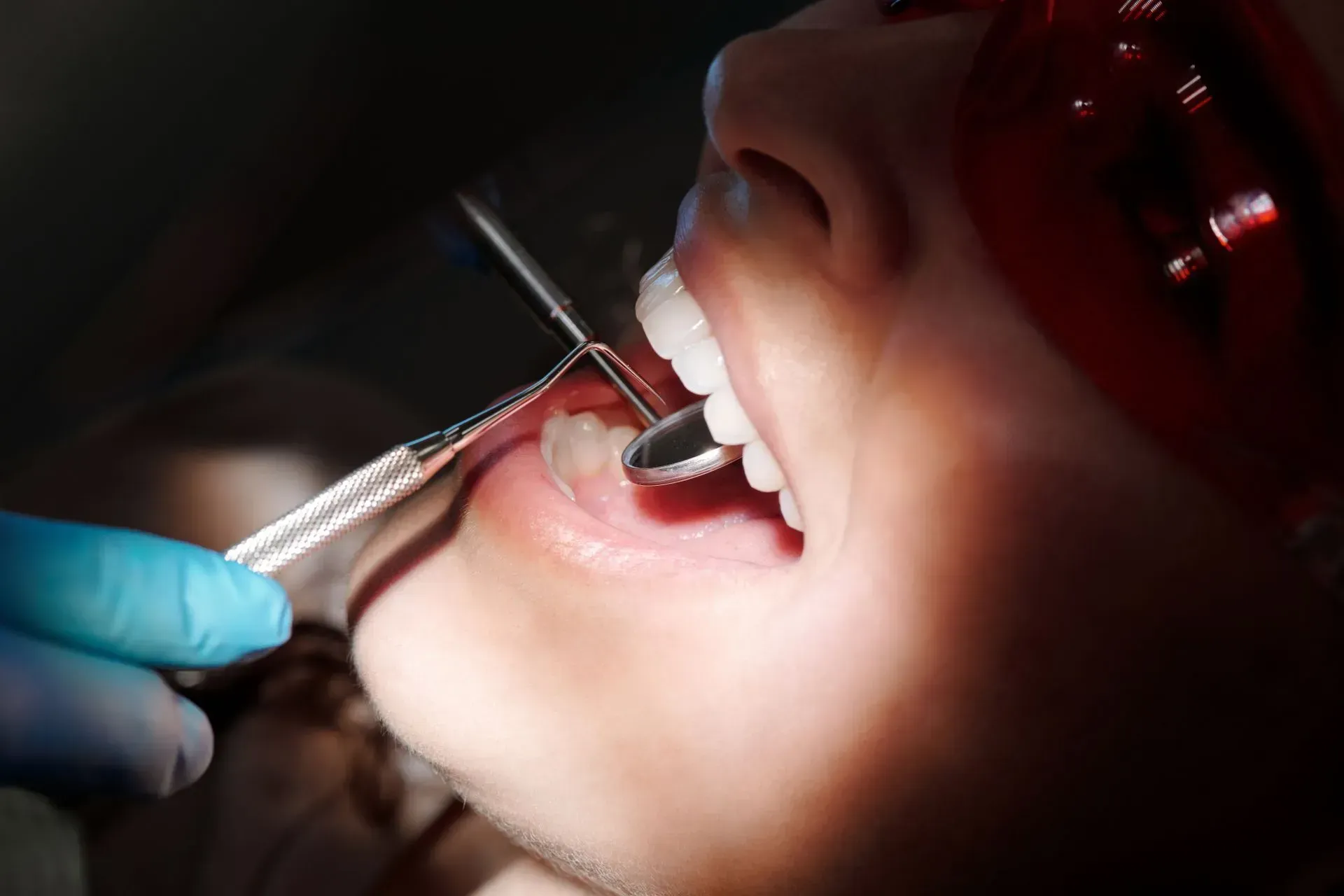
- Comprehensive Periodontal Screening: Every thorough checkup includes gentle gum pocket measurements and digital diagnostics to detect early inflammation before supporting bone is affected.
- Routine Cleanings or Deeper Gum Cleanings: For early gingivitis, a professional prophylaxis cleaning removes irritating plaque and tartar so gum tissue can tighten back around the tooth. If deeper pockets have formed, a targeted deep cleaning smooths the root surfaces to help healthy tissue reattach.
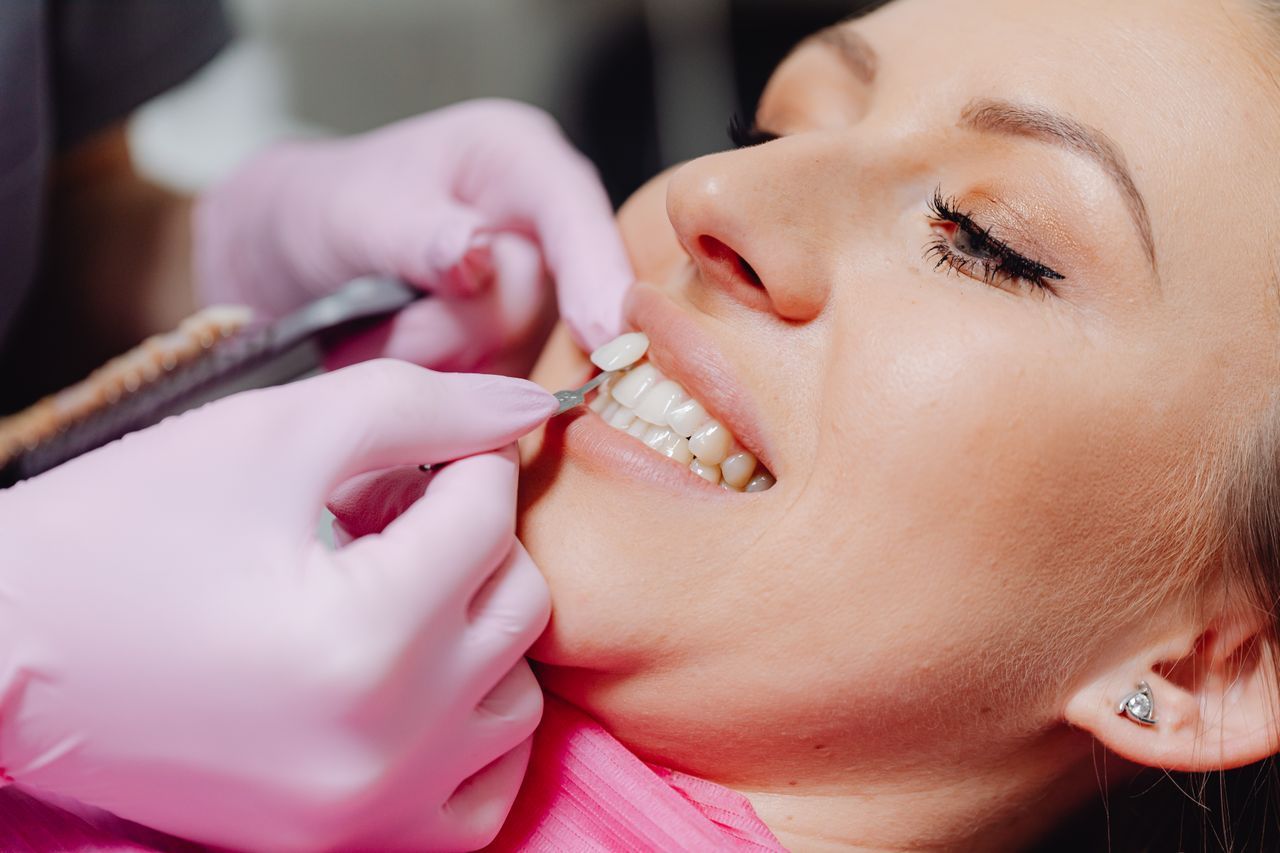
- Tooth-Colored Composite Bonding for Exposed Roots: When gum recession leaves an exposed, sensitive notch near the gumline, Dr. Bruce, an Accredited Member of the American Academy of Cosmetic Dentistry (AACD), can place shade-matched composite resin over the exposed dentin to seal out temperature triggers and protect the root from further wear.
- Bite-Balance Evaluation and Custom Protection: If clenching or uneven bite contacts are contributing to gumline stress, stabilizing your bite helps protect both your gum tissue and your natural enamel for decades to come.
If your treatment ever requires specialized surgical procedures, our team coordinates care closely and guides you through every step so you always know what to expect. You can also review our post-op dental care guide for practical recovery tips following deeper gum cleanings.
Convenient Dental Care Minutes From Mauldin, SC
Fitting preventive gum care into a busy workweek should be straightforward. Located at 672 Fairview Road in Simpsonville, Upstate Smiles is an easy 8 to 10 minute drive south from Mauldin via West Butler Road or I-385, right past BridgeWay Station.
- Early-Morning Commuter Hours: In addition to Monday through Wednesday appointments from 8:00 AM to 5:00 PM, we open at 7:00 AM on Thursdays so you can complete your periodontal checkup before heading into Greenville or Mauldin for work.
- Clear Advance Insurance Estimates: Before any deeper cleaning or restorative bonding begins, our team verifies your benefits and provides an itemized coverage estimate in advance. We accept and file most dental insurance plans (excluding Medicaid and Medicare) and offer flexible CareCredit financing for uncovered balances.
Learn more about how we serve local residents on our Mauldin dental care page or see what to expect during your first visit to Upstate Smiles from Mauldin.
Frequently Asked Questions
Can receding gums grow back on their own?
No. Once gum tissue pulls away from the tooth, it does not regenerate naturally on its own. However, early professional cleanings, improved home brushing habits, and protective composite bonding can halt further recession, eliminate sensitivity, and keep the surrounding bone healthy.
Is early gum disease reversible?
Yes. Gingivitis, the earliest stage of gum inflammation, is reversible when plaque and tartar are professionally removed and daily flossing and soft-bristle brushing are maintained. Once inflammation progresses to deeper bone loss (periodontitis), ongoing periodontal maintenance keeps the condition stable and prevents tooth mobility.
Why do my teeth hurt near the gumline even when I do not have a cavity?
Sensitivity right along the gumline is frequently caused by exposed root cementum or small abfraction notches created by heavy chewing forces and nighttime clenching. Covering the exposed area with tooth-colored composite resin and balancing your bite typically relieves this sensitivity without drilling into healthy enamel.
How often should I have a periodontal checkup?
Most adults benefit from professional cleanings and periodontal screenings every six months. If you have a history of gum inflammation or deeper gum pockets, Dr. Bruce may recommend more frequent maintenance visits to keep bacteria under control.
How close is Upstate Smiles to Mauldin and BridgeWay Station?
Our office at 672 Fairview Road in Simpsonville is roughly 8 to 10 minutes from downtown Mauldin, West Butler Road, and BridgeWay Station via I-385 South
Protect Your Gums and Relieve Tooth Sensitivity Near Mauldin, SC
Early gum recession and cold sensitivity are much easier to resolve when addressed before deeper bone loss or root wear develops. Whether you need a routine periodontal checkup, a deeper gum cleaning, or protective composite bonding for exposed root margins, Dr. William "Bo" Bruce and the team at Upstate Smiles provide personalized, bite-balanced care for patients across Mauldin and the Upstate.
Visit our office at 672 Fairview Road in Simpsonville to get a clear diagnosis and an itemized treatment plan before any care begins. Call 864-962-5522 or book your periodontal checkup online today.